Buy haarpflege.eu ?
We are moving the project
haarpflege.eu .
Are you interested in purchasing the domain
haarpflege.eu ?
domain@kv-gmbh.de · 0541-91531010
Buy haarpflege.eu ?
What is the actual difference between catalytic specificity and substrate specificity in enzymes?
Catalytic specificity refers to the ability of an enzyme to catalyze a specific chemical reaction, while substrate specificity refers to the ability of an enzyme to bind to a specific substrate. In other words, catalytic specificity is about the type of reaction that an enzyme can catalyze, while substrate specificity is about the specific molecule that an enzyme can bind to and act upon. Enzymes can have different levels of specificity for both their catalytic activity and their substrate binding, which allows them to carry out specific functions in the cell. **
What are substrate specificity and activity specificity using the example of restriction enzymes?
Substrate specificity refers to the ability of an enzyme to recognize and bind to a specific substrate molecule. In the case of restriction enzymes, they have substrate specificity for particular DNA sequences, known as recognition sites. For example, the restriction enzyme EcoRI recognizes and binds to the DNA sequence GAATTC. Activity specificity, on the other hand, refers to the specific chemical reaction that an enzyme catalyzes. In the case of restriction enzymes, their activity specificity is to cleave the DNA at specific recognition sites. For example, EcoRI cleaves the DNA at the GAATTC sequence. In summary, substrate specificity refers to the ability of an enzyme to recognize and bind to a specific substrate molecule, while activity specificity refers to the specific chemical reaction that the enzyme catalyzes. In the case of restriction enzymes, they have substrate specificity for specific DNA sequences and activity specificity to cleave the DNA at those sequences. **


Similar search terms for Specificity
Top-Angebote
Products related to Specificity:
-
Uplift Essentials Refreshing 2 In 1 Pet Shampoo & Conditioner Itch Relief & Deep Moisturizing Formula Refreshing 2 In 1 Pet Shampoo & Conditioner Itch Relief & Deep Moisturizing FormulaTransform bath time into a revitalizing spa experience with our Refreshing 2In1 Pet Shampoo and Conditioner. Specially formulated for pets with sensitive or dry skin, this dualaction gel combines deepcleansing agents with professionalgrade...56,97 $*Shipping: 0,00 $Secure redirect to the provider
-
Uplift Essentials 2 in 1 Moisturizing Pet Shampoo & Conditioner PH Balanced Sensitive Skin Formula 2 in 1 Moisturizing Pet Shampoo & Conditioner PH Balanced Sensitive Skin FormulaGive your pet a professional spa experience at home with our 2in1 Moisturizing Shampoo and Conditioner. Specifically formulated for pets with sensitive, dry, or irritated skin, this premium cleaning foam gently lifts away dirt while providing deep...34,97 $*Shipping: 0,00 $Secure redirect to the provider
-
Inspire Essentials Moisturizing Dog Shampoo And Conditioner For Sensitive Skin bGive your pet a cleaner softer and more comfortable coat with this gentle dog shampoo for sensitive skin designed for everyday grooming and skin care. Made with a moisturizing and pH balanced formula, this cleansing foam helps remove dirt odors and...70,98 $*Shipping: 0,00 $Secure redirect to the provider
-
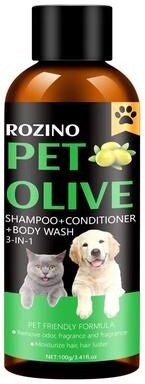
Inspired Finds Olive Pet Shampoo And Conditioner For Cats And Dogs, Gentle Moisturizing Shower Gel Olive Pet Shampoo And Conditioner For Cats And Dogs, Gentle Moisturizing Shower GelBath time feels easier when your pet comes away clean, soft, and comfortable. This pet shampoo and conditioner is made for both cats and dogs, giving you a simple allinone wash for everyday grooming. The olivebased formula positions it as an olive...34,99 $*Shipping: 0,00 $Secure redirect to the provider



-
What is the substrate specificity of enzymes?
The substrate specificity of enzymes refers to the ability of an enzyme to recognize and bind to a specific substrate molecule. Enzymes are highly specific in their interactions with substrates, as they have active sites that are uniquely shaped to accommodate specific substrates. This specificity ensures that enzymes only catalyze specific reactions and do not interact with other molecules in the cell. Substrate specificity is crucial for the efficiency and regulation of biochemical reactions in living organisms. **
-
What is the group specificity of enzymes?
Group specificity of enzymes refers to the ability of an enzyme to act on a specific functional group within a substrate molecule. This means that the enzyme can only catalyze a reaction involving a particular functional group, such as an alcohol or an amine. Enzymes with group specificity are highly selective and only interact with substrates that contain the specific functional group that they are designed to act upon. This specificity is important for the regulation and control of biochemical pathways in living organisms. **
-
What is the biosubstrate specificity of bonds?
The biosubstrate specificity of bonds refers to the ability of enzymes to selectively bind to specific substrates and catalyze specific chemical reactions. Enzymes have specific active sites that are complementary to the shape and chemical properties of their substrates, allowing them to form temporary bonds and facilitate the conversion of substrates into products. This specificity is crucial for the regulation of biochemical pathways and the overall functioning of biological systems. It ensures that the right reactions occur at the right time and in the right place within the cell. **
-
What is the specificity of enzymes on substrates?
Enzymes are highly specific in their interactions with substrates, meaning that each enzyme typically catalyzes a specific chemical reaction with a specific substrate. This specificity is due to the unique three-dimensional shape of the enzyme's active site, which is complementary to the shape and chemical properties of its specific substrate. The enzyme-substrate interaction is often compared to a lock and key, where the enzyme (lock) can only bind to its specific substrate (key) due to their precise matching shapes and chemical properties. This specificity ensures that enzymes can efficiently catalyze specific reactions without interfering with other cellular processes. **


What does the term cell type specificity mean?
Cell type specificity refers to the unique characteristics and functions of a particular type of cell within an organism. It means that certain cells are specialized to perform specific tasks or functions within the body, and they have distinct molecular and structural features that enable them to carry out these functions. This specificity allows for the coordination and regulation of various physiological processes within the organism, as different cell types can perform their specialized roles in a coordinated manner. Understanding cell type specificity is important for studying the development, function, and dysfunction of different tissues and organs in the body. **
Is the order first shampoo, then conditioner, and then treatment?
The order of shampoo, conditioner, and treatment can vary depending on individual hair care needs. However, a common order is to first shampoo the hair to cleanse it, then apply conditioner to moisturize and detangle, and finally use a treatment product for specific hair concerns such as deep conditioning or repairing damage. It's important to consider your hair type and specific needs when determining the best order for your hair care routine. **
Top-Angebote
Products related to Specificity:
-
Balmain Moisturizing Shampoo Hair Treatment 300mLA shampoo. Deeply moisturizes with pure Argan Oil. Enhances shine and elasticity. Protects natural and color-treated hair. Shields hair from UV damage. Signature fragrance. Pure Argan Oil – Rich in antioxidants, essential fatty acids, and vitamin E to deeply nourish, repair damage, and enhance manageability.33,98 £*Shipping: 7,11 £Secure redirect to the provider
-
JOICO YouthLock Shampoo 300ml, Conditioner 250ml & Treatment Masque 15YouthLock Shampoo 300ml YOUTHLOCK - Beautiful Hair is Ageless. Love your hair at any age with YouthLock- JOICO's truly transformative collection that recaptures youthful bounce, shine, and manageability; while locking in strong, lustrous hair. Formulated with collagen, YouthLock is a breath of fresh (h)air for mature, tired tresses! YouthLock Shampoo provides a prime opportunity to gently cleanse your tired tresses, bringing back the Joi of lush, lively, lustrous-looking hair. Key features: Free of SLS/SLES Sulfates (Sodium Lauryl/Sodium Laureth Sulfate) Gently cleanses hair Reduced hair fall* Boosts shine *Due to breakage from brushing on damaged hair, when used with YouthLock Conditioner vs. a non-conditioning shampoo Key Ingredients: COLLAGEN: Known to support healthy skin and hair, helps restore strength and elasticity to strands for healthy, youthful looking hair. BURITI OIL: Full of Antioxidants and Vitamins A and E, known to help restore dry, dull hair with hydration and shine. YouthLock Conditioner 250ml YOUTHLOCK - Beautiful Hair is Ageless. Love your hair at any age with YouthLock - JOICO's truly transformative collection that recaptures youthful bounce, shine, and manageability; while locking in strong, lustrous hair. Formulated with collagen, YouthLock is a breath of fresh (h)air for mature, tired tresses! The future of beauty? YouthLock Conditioner. This solution is designed for mature hair that's dry, brittle, and falling short. Delivering body, bounce, shine, and softness, this moisturizing caretaker reinvents hair with a lustrous outlook. Key Features: Hair feels hydrated Softens brittle hair Detangles hair Boosts shine Adds youthful body and bounce Key Ingredients: COLLAGEN: Known to support healthy skin and hair, helps restore strength and elasticity to strands for healthy, youthful looking hair. BURITI OIL: Full of Antioxidants and Vitamins A and E, known to help restore dry, dull hair with hydration and shine. YouthLock Treatment Masque 150ml Love your hair at any age with JOICO YouthLock. This truly transformative collection that recaptures your hair's youthful bounce, shine, and manageability; while locking in strength for lustrous hair. Formulated with collagen, YouthLock is a breath of fresh (h)air for mature, tired tresses! YouthLock Treatment Masque helps give falling hair the brush-off, big-time shine, and lively bounce in a single, nourishing application. Key Features: Leaves hair feeling nourished Softens dry, brittle hair without weighing it down Boosts shine Reduces frizz Reduces hair fall* Hair's healthy appearance is dramatically improved *Due to breakage from brushing on damaged hair vs. a non-conditioning shampoo Key Ingredients: COLLAGEN: Known to support healthy skin and hair, helps restore strength and elasticity to strands for healthy, youthful looking hair. BURITI OIL: Full of Antioxidants and Vitamins A and E, known to help restore dry, dull hair with hydration and shine. Ingredients: YouthLock Shampoo...66,30 £*Shipping: 0,00 £Secure redirect to the provider
-
Uplift Essentials Refreshing 2 In 1 Pet Shampoo & Conditioner Itch Relief & Deep Moisturizing Formula Refreshing 2 In 1 Pet Shampoo & Conditioner Itch Relief & Deep Moisturizing FormulaTransform bath time into a revitalizing spa experience with our Refreshing 2In1 Pet Shampoo and Conditioner. Specially formulated for pets with sensitive or dry skin, this dualaction gel combines deepcleansing agents with professionalgrade...56,97 $*Shipping: 0,00 $Secure redirect to the provider
-
Uplift Essentials 2 in 1 Moisturizing Pet Shampoo & Conditioner PH Balanced Sensitive Skin Formula 2 in 1 Moisturizing Pet Shampoo & Conditioner PH Balanced Sensitive Skin FormulaGive your pet a professional spa experience at home with our 2in1 Moisturizing Shampoo and Conditioner. Specifically formulated for pets with sensitive, dry, or irritated skin, this premium cleaning foam gently lifts away dirt while providing deep...34,97 $*Shipping: 0,00 $Secure redirect to the provider
-
What is the actual difference between catalytic specificity and substrate specificity in enzymes?
Catalytic specificity refers to the ability of an enzyme to catalyze a specific chemical reaction, while substrate specificity refers to the ability of an enzyme to bind to a specific substrate. In other words, catalytic specificity is about the type of reaction that an enzyme can catalyze, while substrate specificity is about the specific molecule that an enzyme can bind to and act upon. Enzymes can have different levels of specificity for both their catalytic activity and their substrate binding, which allows them to carry out specific functions in the cell. **
-
What are substrate specificity and activity specificity using the example of restriction enzymes?
Substrate specificity refers to the ability of an enzyme to recognize and bind to a specific substrate molecule. In the case of restriction enzymes, they have substrate specificity for particular DNA sequences, known as recognition sites. For example, the restriction enzyme EcoRI recognizes and binds to the DNA sequence GAATTC. Activity specificity, on the other hand, refers to the specific chemical reaction that an enzyme catalyzes. In the case of restriction enzymes, their activity specificity is to cleave the DNA at specific recognition sites. For example, EcoRI cleaves the DNA at the GAATTC sequence. In summary, substrate specificity refers to the ability of an enzyme to recognize and bind to a specific substrate molecule, while activity specificity refers to the specific chemical reaction that the enzyme catalyzes. In the case of restriction enzymes, they have substrate specificity for specific DNA sequences and activity specificity to cleave the DNA at those sequences. **
-
What is the substrate specificity of enzymes?
The substrate specificity of enzymes refers to the ability of an enzyme to recognize and bind to a specific substrate molecule. Enzymes are highly specific in their interactions with substrates, as they have active sites that are uniquely shaped to accommodate specific substrates. This specificity ensures that enzymes only catalyze specific reactions and do not interact with other molecules in the cell. Substrate specificity is crucial for the efficiency and regulation of biochemical reactions in living organisms. **
-
What is the group specificity of enzymes?
Group specificity of enzymes refers to the ability of an enzyme to act on a specific functional group within a substrate molecule. This means that the enzyme can only catalyze a reaction involving a particular functional group, such as an alcohol or an amine. Enzymes with group specificity are highly selective and only interact with substrates that contain the specific functional group that they are designed to act upon. This specificity is important for the regulation and control of biochemical pathways in living organisms. **
Similar search terms for Specificity
-
Inspire Essentials Moisturizing Dog Shampoo And Conditioner For Sensitive Skin bGive your pet a cleaner softer and more comfortable coat with this gentle dog shampoo for sensitive skin designed for everyday grooming and skin care. Made with a moisturizing and pH balanced formula, this cleansing foam helps remove dirt odors and...70,98 $*Shipping: 0,00 $Secure redirect to the provider
-
Inspired Finds Olive Pet Shampoo And Conditioner For Cats And Dogs, Gentle Moisturizing Shower Gel Olive Pet Shampoo And Conditioner For Cats And Dogs, Gentle Moisturizing Shower GelBath time feels easier when your pet comes away clean, soft, and comfortable. This pet shampoo and conditioner is made for both cats and dogs, giving you a simple allinone wash for everyday grooming. The olivebased formula positions it as an olive...34,99 $*Shipping: 0,00 $Secure redirect to the provider
-
Uplift Treasures Moisturizing Dog Shampoo And Conditioner For Sensitive Skin 100ml BoxedProduct Description: Keep your pet clean, fresh, and comfortable with this moisturizing dog shampoo and conditioner. Specially formulated for sensitive skin, this pH balanced cleaning foam helps reduce itching, remove dirt and mites, and support a...47,97 $*Shipping: 0,00 $Secure redirect to the provider
-
Uplifted Finds Yegbong 2 in 1 Moisturizing Pet Shampoo & Conditioner 100 Ml BoxedGive your pet a professional spa treatment at home with this multifunctional 2in1 Shampoo and Conditioner. Specifically formulated for pets with sensitive skin, this moisturizing foam provides a deep clean that reaches through thick coats to the...34,97 $*Shipping: 0,00 $Secure redirect to the provider
-
What is the biosubstrate specificity of bonds?
The biosubstrate specificity of bonds refers to the ability of enzymes to selectively bind to specific substrates and catalyze specific chemical reactions. Enzymes have specific active sites that are complementary to the shape and chemical properties of their substrates, allowing them to form temporary bonds and facilitate the conversion of substrates into products. This specificity is crucial for the regulation of biochemical pathways and the overall functioning of biological systems. It ensures that the right reactions occur at the right time and in the right place within the cell. **
-
What is the specificity of enzymes on substrates?
Enzymes are highly specific in their interactions with substrates, meaning that each enzyme typically catalyzes a specific chemical reaction with a specific substrate. This specificity is due to the unique three-dimensional shape of the enzyme's active site, which is complementary to the shape and chemical properties of its specific substrate. The enzyme-substrate interaction is often compared to a lock and key, where the enzyme (lock) can only bind to its specific substrate (key) due to their precise matching shapes and chemical properties. This specificity ensures that enzymes can efficiently catalyze specific reactions without interfering with other cellular processes. **
-
What does the term cell type specificity mean?
Cell type specificity refers to the unique characteristics and functions of a particular type of cell within an organism. It means that certain cells are specialized to perform specific tasks or functions within the body, and they have distinct molecular and structural features that enable them to carry out these functions. This specificity allows for the coordination and regulation of various physiological processes within the organism, as different cell types can perform their specialized roles in a coordinated manner. Understanding cell type specificity is important for studying the development, function, and dysfunction of different tissues and organs in the body. **
-
Is the order first shampoo, then conditioner, and then treatment?
The order of shampoo, conditioner, and treatment can vary depending on individual hair care needs. However, a common order is to first shampoo the hair to cleanse it, then apply conditioner to moisturize and detangle, and finally use a treatment product for specific hair concerns such as deep conditioning or repairing damage. It's important to consider your hair type and specific needs when determining the best order for your hair care routine. **
* All prices are inclusive of VAT and, if applicable, plus shipping costs. The offer information is based on the details provided by the respective shop and is updated through automated processes. Real-time updates do not occur, so deviations can occur in individual cases. ** Note: Parts of this content were created by AI.