Buy haarpflege.eu ?
We are moving the project
haarpflege.eu .
Are you interested in purchasing the domain
haarpflege.eu ?
domain@kv-gmbh.de · 0541-91531010
Buy haarpflege.eu ?
How is the partitive formed?
The partitive is formed in French by using the preposition "de" followed by the definite article "le," "la," or "les." This combination contracts to form "du," "de la," or "des" before a singular or plural noun, respectively. For example, "some bread" is "du pain" and "some apples" is "des pommes." The partitive is used to indicate an unspecified quantity or portion of a mass noun. **
What is the French partitive article?
The French partitive article is used to indicate an unspecified quantity of a noun that cannot be counted. It is formed by combining the preposition "de" with the definite article corresponding to the noun's gender and number. For example, "du" is used with masculine singular nouns, "de la" with feminine singular nouns, and "des" with plural nouns. The partitive article is used in French to express concepts like some, any, or a part of something. **


Similar search terms for Partitive
Top-Angebote
Products related to Partitive:
-
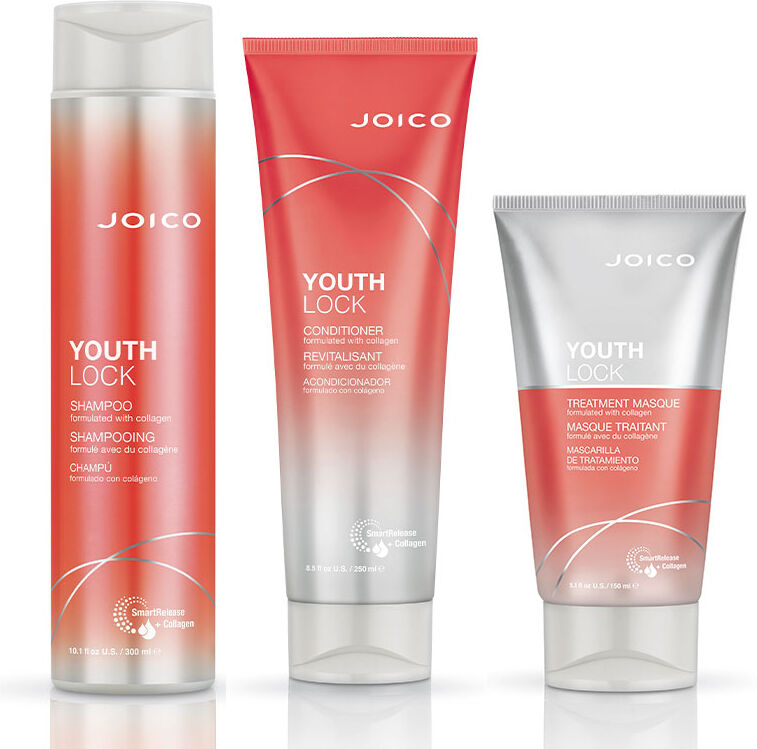
JOICO YouthLock Shampoo 300ml, Conditioner 250ml & Treatment Masque 15YouthLock Shampoo 300ml YOUTHLOCK - Beautiful Hair is Ageless. Love your hair at any age with YouthLock- JOICO's truly transformative collection that recaptures youthful bounce, shine, and manageability; while locking in strong, lustrous hair. Formulated with collagen, YouthLock is a breath of fresh (h)air for mature, tired tresses! YouthLock Shampoo provides a prime opportunity to gently cleanse your tired tresses, bringing back the Joi of lush, lively, lustrous-looking hair. Key features: Free of SLS/SLES Sulfates (Sodium Lauryl/Sodium Laureth Sulfate) Gently cleanses hair Reduced hair fall* Boosts shine *Due to breakage from brushing on damaged hair, when used with YouthLock Conditioner vs. a non-conditioning shampoo Key Ingredients: COLLAGEN: Known to support healthy skin and hair, helps restore strength and elasticity to strands for healthy, youthful looking hair. BURITI OIL: Full of Antioxidants and Vitamins A and E, known to help restore dry, dull hair with hydration and shine. YouthLock Conditioner 250ml YOUTHLOCK - Beautiful Hair is Ageless. Love your hair at any age with YouthLock - JOICO's truly transformative collection that recaptures youthful bounce, shine, and manageability; while locking in strong, lustrous hair. Formulated with collagen, YouthLock is a breath of fresh (h)air for mature, tired tresses! The future of beauty? YouthLock Conditioner. This solution is designed for mature hair that's dry, brittle, and falling short. Delivering body, bounce, shine, and softness, this moisturizing caretaker reinvents hair with a lustrous outlook. Key Features: Hair feels hydrated Softens brittle hair Detangles hair Boosts shine Adds youthful body and bounce Key Ingredients: COLLAGEN: Known to support healthy skin and hair, helps restore strength and elasticity to strands for healthy, youthful looking hair. BURITI OIL: Full of Antioxidants and Vitamins A and E, known to help restore dry, dull hair with hydration and shine. YouthLock Treatment Masque 150ml Love your hair at any age with JOICO YouthLock. This truly transformative collection that recaptures your hair's youthful bounce, shine, and manageability; while locking in strength for lustrous hair. Formulated with collagen, YouthLock is a breath of fresh (h)air for mature, tired tresses! YouthLock Treatment Masque helps give falling hair the brush-off, big-time shine, and lively bounce in a single, nourishing application. Key Features: Leaves hair feeling nourished Softens dry, brittle hair without weighing it down Boosts shine Reduces frizz Reduces hair fall* Hair's healthy appearance is dramatically improved *Due to breakage from brushing on damaged hair vs. a non-conditioning shampoo Key Ingredients: COLLAGEN: Known to support healthy skin and hair, helps restore strength and elasticity to strands for healthy, youthful looking hair. BURITI OIL: Full of Antioxidants and Vitamins A and E, known to help restore dry, dull hair with hydration and shine. Ingredients: YouthLock Shampoo...66,30 £*Shipping: 0,00 £Secure redirect to the provider
-
Uplift Essentials Refreshing 2 In 1 Pet Shampoo & Conditioner Itch Relief & Deep Moisturizing Formula Refreshing 2 In 1 Pet Shampoo & Conditioner Itch Relief & Deep Moisturizing FormulaTransform bath time into a revitalizing spa experience with our Refreshing 2In1 Pet Shampoo and Conditioner. Specially formulated for pets with sensitive or dry skin, this dualaction gel combines deepcleansing agents with professionalgrade...56,97 $*Shipping: 0,00 $Secure redirect to the provider
-
Uplift Essentials 2 in 1 Moisturizing Pet Shampoo & Conditioner PH Balanced Sensitive Skin Formula 2 in 1 Moisturizing Pet Shampoo & Conditioner PH Balanced Sensitive Skin FormulaGive your pet a professional spa experience at home with our 2in1 Moisturizing Shampoo and Conditioner. Specifically formulated for pets with sensitive, dry, or irritated skin, this premium cleaning foam gently lifts away dirt while providing deep...34,97 $*Shipping: 0,00 $Secure redirect to the provider
-
Inspire Essentials Moisturizing Dog Shampoo And Conditioner For Sensitive Skin aGive your pet a cleaner softer and more comfortable coat with this gentle dog shampoo for sensitive skin designed for everyday grooming and skin care. Made with a moisturizing and pH balanced formula, this cleansing foam helps remove dirt odors and...70,98 $*Shipping: 0,00 $Secure redirect to the provider


-
What are partitive articles in the French language?
Partitive articles in French are used to indicate an unspecified quantity of a noun. They are used when referring to a portion or some of a mass noun, such as food or liquid. The partitive articles in French are "du" (for masculine nouns), "de la" (for feminine nouns), and "de l'" (for nouns starting with a vowel or silent "h"). These articles are essential for expressing the concept of some or any in French. **
-
What is the rule for the partitive article?
The rule for the partitive article in French is to use "de" followed by the definite article (le, la, les) to indicate an unspecified quantity or some of a mass noun. For example, "du" is used for masculine singular nouns, "de la" for feminine singular nouns, and "des" for plural nouns. The partitive article is used when referring to an unknown or unspecified quantity of something. **
-
How do you form the genitive partitive in Latin?
In Latin, the genitive partitive is formed by using the genitive case of the noun followed by the word "partis" or "partis" (depending on the gender of the noun) to indicate a part of the whole. For example, if the noun is "puella" (girl), the genitive partitive would be "puellae partis" to indicate "part of the girl." This construction is used to express the idea of "some of" or "a part of" something. **
-
What are partitive articles and quantity increases in French?
Partitive articles in French are used to indicate an unspecified quantity of a noun. They are used with uncountable nouns or when referring to a portion of something. Quantity increases in French involve using words like "plus de" (more), "beaucoup de" (a lot of), or "trop de" (too much) to indicate an increase in the quantity of something. These expressions are used to specify a larger amount of a noun compared to using just the partitive article. **

When do you use the partitive article in French?
The partitive article in French is used to indicate an unspecified quantity of a mass noun. It is used when referring to a part of a whole, or an unspecified amount of something. For example, "du" is used for masculine nouns, "de la" for feminine nouns, and "de l'" for nouns starting with a vowel or silent "h". It is important to use the partitive article when talking about food, drinks, or other uncountable nouns in French. **
Can you please help me with the partitive article?
The partitive article is used in French to indicate an unspecified quantity of something. It is often used with uncountable nouns to express "some" or "any" in English. The partitive article changes depending on the gender and number of the noun it precedes. For example, "du" is used before masculine singular nouns, "de la" before feminine singular nouns, and "des" before plural nouns. It is important to use the correct partitive article to indicate the appropriate quantity in French. **
Top-Angebote
Products related to Partitive:
-
Balmain Moisturizing Shampoo Hair Treatment 300mLA shampoo. Deeply moisturizes with pure Argan Oil. Enhances shine and elasticity. Protects natural and color-treated hair. Shields hair from UV damage. Signature fragrance. Pure Argan Oil – Rich in antioxidants, essential fatty acids, and vitamin E to deeply nourish, repair damage, and enhance manageability.33,98 £*Shipping: 7,11 £Secure redirect to the provider
-
Simply Zen Preparing Potion Pre-Shampoo Treatment for Scalp 100mLA shampoo. Preparing Potion is a transformative hair treatment designed to prepare and prime hair for styling. This lightweight potion offers a silky texture that glides effortlessly onto hair, addressing frizz and enhancing manageability. Unlock the secret to effortlessly beautiful hair with this essential styling potion.23,86 £*Shipping: 5,34 £Secure redirect to the provider
-
JOICO YouthLock Shampoo 300ml, Conditioner 250ml & Treatment Masque 15YouthLock Shampoo 300ml YOUTHLOCK - Beautiful Hair is Ageless. Love your hair at any age with YouthLock- JOICO's truly transformative collection that recaptures youthful bounce, shine, and manageability; while locking in strong, lustrous hair. Formulated with collagen, YouthLock is a breath of fresh (h)air for mature, tired tresses! YouthLock Shampoo provides a prime opportunity to gently cleanse your tired tresses, bringing back the Joi of lush, lively, lustrous-looking hair. Key features: Free of SLS/SLES Sulfates (Sodium Lauryl/Sodium Laureth Sulfate) Gently cleanses hair Reduced hair fall* Boosts shine *Due to breakage from brushing on damaged hair, when used with YouthLock Conditioner vs. a non-conditioning shampoo Key Ingredients: COLLAGEN: Known to support healthy skin and hair, helps restore strength and elasticity to strands for healthy, youthful looking hair. BURITI OIL: Full of Antioxidants and Vitamins A and E, known to help restore dry, dull hair with hydration and shine. YouthLock Conditioner 250ml YOUTHLOCK - Beautiful Hair is Ageless. Love your hair at any age with YouthLock - JOICO's truly transformative collection that recaptures youthful bounce, shine, and manageability; while locking in strong, lustrous hair. Formulated with collagen, YouthLock is a breath of fresh (h)air for mature, tired tresses! The future of beauty? YouthLock Conditioner. This solution is designed for mature hair that's dry, brittle, and falling short. Delivering body, bounce, shine, and softness, this moisturizing caretaker reinvents hair with a lustrous outlook. Key Features: Hair feels hydrated Softens brittle hair Detangles hair Boosts shine Adds youthful body and bounce Key Ingredients: COLLAGEN: Known to support healthy skin and hair, helps restore strength and elasticity to strands for healthy, youthful looking hair. BURITI OIL: Full of Antioxidants and Vitamins A and E, known to help restore dry, dull hair with hydration and shine. YouthLock Treatment Masque 150ml Love your hair at any age with JOICO YouthLock. This truly transformative collection that recaptures your hair's youthful bounce, shine, and manageability; while locking in strength for lustrous hair. Formulated with collagen, YouthLock is a breath of fresh (h)air for mature, tired tresses! YouthLock Treatment Masque helps give falling hair the brush-off, big-time shine, and lively bounce in a single, nourishing application. Key Features: Leaves hair feeling nourished Softens dry, brittle hair without weighing it down Boosts shine Reduces frizz Reduces hair fall* Hair's healthy appearance is dramatically improved *Due to breakage from brushing on damaged hair vs. a non-conditioning shampoo Key Ingredients: COLLAGEN: Known to support healthy skin and hair, helps restore strength and elasticity to strands for healthy, youthful looking hair. BURITI OIL: Full of Antioxidants and Vitamins A and E, known to help restore dry, dull hair with hydration and shine. Ingredients: YouthLock Shampoo...66,30 £*Shipping: 0,00 £Secure redirect to the provider
-
Uplift Essentials Refreshing 2 In 1 Pet Shampoo & Conditioner Itch Relief & Deep Moisturizing Formula Refreshing 2 In 1 Pet Shampoo & Conditioner Itch Relief & Deep Moisturizing FormulaTransform bath time into a revitalizing spa experience with our Refreshing 2In1 Pet Shampoo and Conditioner. Specially formulated for pets with sensitive or dry skin, this dualaction gel combines deepcleansing agents with professionalgrade...56,97 $*Shipping: 0,00 $Secure redirect to the provider
-
How is the partitive formed?
The partitive is formed in French by using the preposition "de" followed by the definite article "le," "la," or "les." This combination contracts to form "du," "de la," or "des" before a singular or plural noun, respectively. For example, "some bread" is "du pain" and "some apples" is "des pommes." The partitive is used to indicate an unspecified quantity or portion of a mass noun. **
-
What is the French partitive article?
The French partitive article is used to indicate an unspecified quantity of a noun that cannot be counted. It is formed by combining the preposition "de" with the definite article corresponding to the noun's gender and number. For example, "du" is used with masculine singular nouns, "de la" with feminine singular nouns, and "des" with plural nouns. The partitive article is used in French to express concepts like some, any, or a part of something. **
-
What are partitive articles in the French language?
Partitive articles in French are used to indicate an unspecified quantity of a noun. They are used when referring to a portion or some of a mass noun, such as food or liquid. The partitive articles in French are "du" (for masculine nouns), "de la" (for feminine nouns), and "de l'" (for nouns starting with a vowel or silent "h"). These articles are essential for expressing the concept of some or any in French. **
-
What is the rule for the partitive article?
The rule for the partitive article in French is to use "de" followed by the definite article (le, la, les) to indicate an unspecified quantity or some of a mass noun. For example, "du" is used for masculine singular nouns, "de la" for feminine singular nouns, and "des" for plural nouns. The partitive article is used when referring to an unknown or unspecified quantity of something. **
Similar search terms for Partitive
-
Uplift Essentials 2 in 1 Moisturizing Pet Shampoo & Conditioner PH Balanced Sensitive Skin Formula 2 in 1 Moisturizing Pet Shampoo & Conditioner PH Balanced Sensitive Skin FormulaGive your pet a professional spa experience at home with our 2in1 Moisturizing Shampoo and Conditioner. Specifically formulated for pets with sensitive, dry, or irritated skin, this premium cleaning foam gently lifts away dirt while providing deep...34,97 $*Shipping: 0,00 $Secure redirect to the provider
-
Inspire Essentials Moisturizing Dog Shampoo And Conditioner For Sensitive Skin aGive your pet a cleaner softer and more comfortable coat with this gentle dog shampoo for sensitive skin designed for everyday grooming and skin care. Made with a moisturizing and pH balanced formula, this cleansing foam helps remove dirt odors and...70,98 $*Shipping: 0,00 $Secure redirect to the provider
-
Inspired Finds Olive Pet Shampoo And Conditioner For Cats And Dogs, Gentle Moisturizing Shower Gel Olive Pet Shampoo And Conditioner For Cats And Dogs, Gentle Moisturizing Shower GelBath time feels easier when your pet comes away clean, soft, and comfortable. This pet shampoo and conditioner is made for both cats and dogs, giving you a simple allinone wash for everyday grooming. The olivebased formula positions it as an olive...34,99 $*Shipping: 0,00 $Secure redirect to the provider
-
Uplift Treasures Moisturizing Dog Shampoo And Conditioner For Sensitive Skin 100ml BoxedProduct Description: Keep your pet clean, fresh, and comfortable with this moisturizing dog shampoo and conditioner. Specially formulated for sensitive skin, this pH balanced cleaning foam helps reduce itching, remove dirt and mites, and support a...47,97 $*Shipping: 0,00 $Secure redirect to the provider
-
How do you form the genitive partitive in Latin?
In Latin, the genitive partitive is formed by using the genitive case of the noun followed by the word "partis" or "partis" (depending on the gender of the noun) to indicate a part of the whole. For example, if the noun is "puella" (girl), the genitive partitive would be "puellae partis" to indicate "part of the girl." This construction is used to express the idea of "some of" or "a part of" something. **
-
What are partitive articles and quantity increases in French?
Partitive articles in French are used to indicate an unspecified quantity of a noun. They are used with uncountable nouns or when referring to a portion of something. Quantity increases in French involve using words like "plus de" (more), "beaucoup de" (a lot of), or "trop de" (too much) to indicate an increase in the quantity of something. These expressions are used to specify a larger amount of a noun compared to using just the partitive article. **
-
When do you use the partitive article in French?
The partitive article in French is used to indicate an unspecified quantity of a mass noun. It is used when referring to a part of a whole, or an unspecified amount of something. For example, "du" is used for masculine nouns, "de la" for feminine nouns, and "de l'" for nouns starting with a vowel or silent "h". It is important to use the partitive article when talking about food, drinks, or other uncountable nouns in French. **
-
Can you please help me with the partitive article?
The partitive article is used in French to indicate an unspecified quantity of something. It is often used with uncountable nouns to express "some" or "any" in English. The partitive article changes depending on the gender and number of the noun it precedes. For example, "du" is used before masculine singular nouns, "de la" before feminine singular nouns, and "des" before plural nouns. It is important to use the correct partitive article to indicate the appropriate quantity in French. **
* All prices are inclusive of VAT and, if applicable, plus shipping costs. The offer information is based on the details provided by the respective shop and is updated through automated processes. Real-time updates do not occur, so deviations can occur in individual cases. ** Note: Parts of this content were created by AI.